
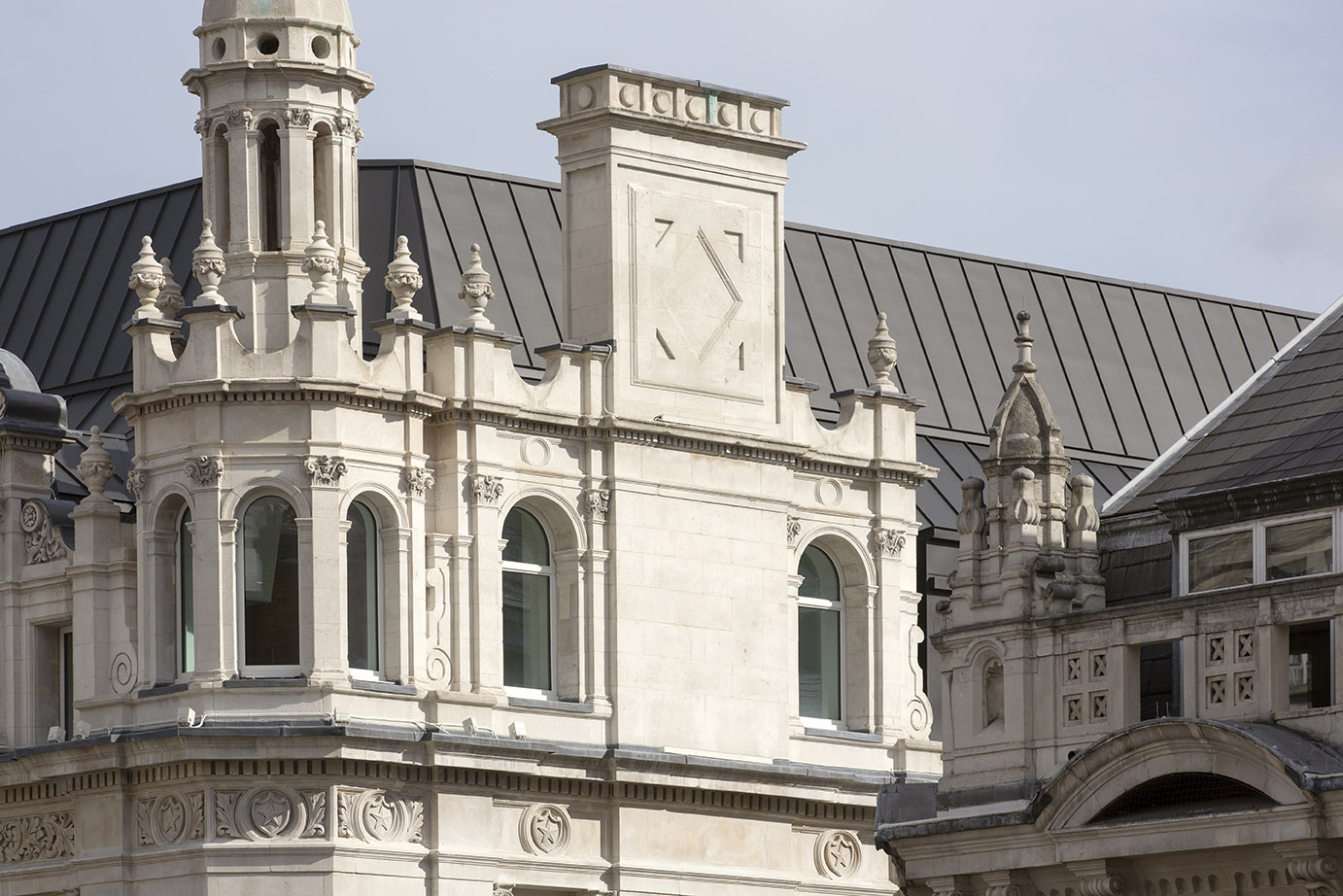
How to Extend the Life of a Heritage Roof: A Guide for Listed Buildings

Looking after a listed roof is very different from maintaining a modern one. Older buildings were constructed using materials and techniques that are rarely used today, so repairs require a more careful and experienced approach.
Whether it is a period townhouse, a historic commercial building or a church, the roof usually forms a major part of the property’s character. Repairs must protect that appearance while keeping the building weatherproof and structurally sound. Poor or inappropriate repair work can create longterm issues, particularly on listed properties where planning and conservation controls also apply.

Why Heritage Roofs Need Specialist Care

Older roofs simply do not perform in the same way as modern systems. Most listed buildings were constructed long before current insulation standards, waterproofing methods and ventilation strategies were developed.
Many heritage roofs rely on natural airflow and breathable materials to manage moisture. Using incompatible modern products can upset that balance and lead to trapped damp, timber decay or damage to surrounding masonry.

This is especially important when working with:

  • Natural slate roofing
  • Lead details and flashings
  • Lime mortars and bedding
  • Traditional timber structures

Heritage properties often have uneven rooflines, ageing timber and handcrafted detailing that cannot be replaced easily with standard products.

A good heritage roofing specialist in London will typically assess:

  • Existing material condition
  • Structural movement and deflection
  • Ventilation performance
  • Water ingress pathways
  • Compatibility of proposed repair materials
  • Historic detailing and roof geometry

Highquality roof restoration should protect the character of the building while helping the roof perform for many more years. On some properties, particularly those within conservation areas, additional approvals may also be required before work starts.

Common Issues in Listed Building Roofs

Many heritage roofs can last well over a century if they are properly maintained. However, years of weather exposure and earlier, unsympathetic repairs can eventually cause problems.

Typical issues include:

Slipped or Broken Slate

This is one of the most common defects, often caused by corroded fixings or weakened timber battens. Poorly matched replacement slates can affect both the way the roof drains and the visual consistency of the covering.
Lead Deterioration

Over time, lead flashings and details can crack or split as the material expands and contracts with seasonal temperature changes. Inadequate detailing or incorrect installation methods can accelerate this. Experienced leadwork contractors understand how to design, install and repair lead correctly while maintaining the visual integrity of historic buildings.

Timber Decay

Timber can deteriorate due to failing mortar joints, poor ventilation, leaks around chimneys, structural movement and corroded fixings. Many of these issues develop gradually and are difficult to identify from ground level.

Choosing the Right Materials for Heritage Roof Repair

Selecting appropriate materials is just as important as the repair technique itself. Many modern substitutes do not behave in the same way as traditional roofing materials.

For example, natural slate roofing differs from synthetic alternatives in terms of weight, breathability and weathering characteristics. Matching the original slate type and source as closely as possible is often critical for conservation projects.

The same principle applies to lime mortars and timber repairs. Older buildings were designed to breathe and move naturally, so overly rigid or impermeable products can cause cracking or trap moisture within the structure.

Lead roofing remains widely used on heritage projects because it performs well around complex architectural features and can last for decades when detailed and installed correctly. Properly designed leadwork provides exceptional durability across valleys, parapets, dormers and decorative roof elements.

Material sourcing can also be challenging, particularly where reclaimed slate or heritagecompatible products are required. This is one reason clients often seek out a heritage roofing specialist with established supplychain relationships and heritageproject experience. Explore Richardson’s traditional construction expertise further.

Working with Listed Building Consent

Planning and conservation requirements are a major part of heritage roofing work. Many roof alterations on listed properties require Listed Building Consent before work begins, even when repairs appear relatively minor.
Unauthorised changes to materials, detailing or roof geometry can cause issues during surveys, sales or conservation inspections. Consent requirements may vary depending on factors such as:

  • Building grade
  • Local authority conservation policies
  • Extent and nature of proposed works
  • Visibility of the roof from public viewpoints
  • Replacement materials being specified
  • Historic and architectural significance

Specialist contractors will often work closely with conservation officers, architects and surveyors to ensure repairs remain in keeping with the existing fabric. Detailed surveys, method statements and material specifications are commonly required before approvals are granted.

Richardson’s Heritage Roofing Projects

Richardson supports heritage roofing and conservation led projects across London and the South East. The team carries out repair and refurbishment works involving slate, lead roofing, façade restoration and traditional roofing methods on sensitive historic buildings.

When to Call a Heritage Roofing Specialist

A common mistake is waiting until visible internal damage appears before investigating the roof. Early warning signs can include:

  • Damp patches or staining to ceilings and walls
  • Loose, slipped or missing slates
  • Staining and cracks around chimneys
  • Sagging or uneven rooflines
  • Cracked or split lead details
  • Blocked gutters, outlets and valleys
  • Daylight visible within roof voids or loft spaces

Regular inspections are particularly valuable after storms or prolonged periods of severe weather. A specialist contractor can then advise whether localised repairs or more extensive works are required. This is especially important on historic roof repair projects, where inappropriate shortterm fixes can lead to more costly problems later.

If you are planning conservation works, roof refurbishment or repairs to a listed property, you can contact Richardson directly to discuss your project.

How to Pick a Good Commercial Roofing Company in London

Choosing the right commercial roofing contractor is not always straightforward. A quick search will return numerous businesses offering similar services, promises and pricing, but finding a contractor that delivers highquality work, manages complex projects effectively and provides longterm reliability is more challenging.

For contractors, developers, owners and building managers, the stakes are high. Poorly managed roofing projects can lead to delays, water ingress, health and safety issues, increased maintenance costs and knock on impacts to the wider construction programme. Selecting a knowledgeable and competent commercial roofer involves far more than finding the lowest price.

The strongest contractors combine technical expertise, proven experience, robust project management and a track record across multiple sectors. This is especially important in London and the South East, where complex building designs, planning requirements and access constraints are common.

Here, Richardson Projects sets out the key questions to ask when selecting a commercial roofing contractor in London, what to look for when comparing companies and why established building envelope specialists continue to stand out on large roofing projects.

What to Look for in a Commercial Roofing Contractor

Not every contractor offers the same level of capability. Some may present themselves as providing full roofing and façade services from design through to installation, but it is important to look beyond marketing claims.

When evaluating potential contractors, consider capability, organisational structure, accreditations, insurance and longterm value as well as price.

A Broad Range of Services

A capable commercial roofing contractor should be able to offer comprehensive solutions that add value to the project. On larger developments, the ability to undertake multiple roofing and envelope systems becomes critical. Look for companies with experience in:

  • Metal roofing systems
  • Flat roofing systems
  • Cladding and rainscreen façades
  • Refurbishment and overlay systems
  • Bespoke detailing and specialist finishes
  • Structural interfaces and substrates

Richardson Projects operates as a multi disciplined building envelope contractor, managing projects from outline design concepts through to completed installations. Expertise includes pitched roofing, flat roofing, cladding systems, façade solutions and both traditional and contemporary roofing techniques for commercial, industrial and public sector buildings.

The Richardson corporate brochure provides a detailed overview of these capabilities.

Design and Technical Expertise

The best contractors add value well before installation begins. Technical advice, design coordination and buildability input at an early stage help identify issues sooner and improve overall roof performance. This is particularly important on complex London schemes, where bespoke solutions are often required due to space constraints, drainage requirements and architectural detailing.

Richardson’s in-house design department includes experienced draughtsman and roofing specialists who provide technical drawings, structural input and design support. Where appropriate, the business also undertakes mockup installations for fire, acoustic and weather testing.

Strong Project Management

Roofing work rarely happens in isolation. On many commercial projects, contractors must work around occupied buildings, restricted access or tight programmes while coordinating with multiple trades.

Effective project management keeps work running safely and efficiently. Before appointing a contractor, consider whether they can demonstrate:

  • Dedicated project managers
  • Fulltime site supervision
  • Clear communication processes
  • Health and safety support
  • Procurement and logistics management
  • Experience delivering on live commercial sites

Richardson supports projects with dedicated project management teams, document controllers, surveyors, procurement managers and site operatives. Every active site is overseen by SMSTS qualified personnel, helping maintain quality and safety standards throughout delivery.

Proven Sector Experience

Each commercial sector presents different challenges. A contractor experienced only in office developments may not fully understand the operational demands of healthcare, education, government or industrial environments.

Reviewing completed projects gives a much clearer picture of real capability. Richardson has delivered schemes across:

  • Commercial offices
  • Retail developments
  • Public buildings
  • Schools and universities
  • Industrial premises
  • Infrastructure projects
  • Hospitality and leisure environments
  • Government and civic buildings

Key Questions to Ask Before Appointing a Roofer

Shortlisting a contractor should involve more than reviewing quotations. Asking structured questions early can help prevent problems later.

What Systems Do They Regularly Install – and Are They Approved?

Some contractors focus on one roof type, while others are experienced across a wider range of systems. On larger roofing or envelope schemes, versatility is important. Waterproofing, insulation, cladding and detailing often need to be integrated within a single design.

Ask whether the contractor regularly installs:

  • Traditional hard metals
  • Cladding and rainscreen systems
  • Flat roofing systems
  • Traditional slate and tile systems
  • Green or blue roof systems
  • Bespoke metal fabrications

It is also important to check whether they are approved installers for reputable manufacturers and if they are listed as a recommended contractor by specified system suppliers.

Do They Use In-house Teams?

Contractors that rely heavily on temporary subcontract labour may find it harder to maintain consistency and quality control. Businesses with established in-house teams often provide better communication, clearer accountability and more reliable standards of work.

Richardson delivers projects using specialist internal departments for design, estimating, carpentry and joinery, health and safety and project management, providing greater control from pre-construction through to completion.

Can They Manage Complex London Projects?

Location matters. Clients seeking commercial roofing contractors in London often need companies that understand the realities of working in dense urban environments, including:

  • Restricted access and logistics
  • Tight delivery schedules and working hours
  • Planning and compliance requirements
  • Neighbouring property constraints
  • Live operational environments
  • High expectations around health and safety

Contractors with a strong track record across London and the South East are generally better prepared to manage these conditions efficiently.

Can They Provide Examples of Similar Work?

A robust portfolio is one of the clearest indicators of capability. Reviewing completed projects allows clients to assess:

  • Project scale and complexity
  • Technical detailing and material expertise
  • Architectural quality and finish
  • Sector specific experience

Richardson’s completed projects illustrate experience across commercial and industrial developments throughout London and the wider UK.

Why Accreditations, Insurance and Track Record Matter

Experience, accreditations and insurance often distinguish dependable contractors from firms competing mainly on price. Professional credentials demonstrate that a company has been independently assessed against recognised standards.

Industry Accreditations

Look for accreditations and memberships linked to respected trade and industry bodies, such as:

Richardson’s accreditations and memberships underline a longterm commitment to quality, safety and compliance.

Health and Safety Standards

On commercial projects, roofing work frequently involves working at height, operating in public facing areas or delivering on live buildings. Robust health and safety management is therefore essential. A reputable contractor should provide:

  • Detailed risk assessments
  • Method statements and RAMS
  • Sites pecific safety plans
  • Ongoing monitoring and reporting
  • Qualified, competent site supervision

Richardson’s in-house health and safety department reviews each project individually and supports site teams with documentation, training and compliance monitoring.

Insurance and Experience

Adequate professional indemnity and other insurances are critical for client protection and should be clearly evidenced. Contractors with many years of industry experience are typically better equipped to manage unforeseen issues, coordinate larger projects and maintain consistent quality.

Since its founding in 1980, Richardson Projects has delivered complex commercial roofing and envelope projects across the UK, building expertise in both traditional and modern systems.

Commercial Roofing in London and the South East

The London market places particular demands on roofing contractors. Restricted access, heritage considerations, intricate architectural design and tight programmes are all common. Roofing and envelope systems must perform reliably in challenging urban conditions while meeting exacting safety and performance standards.

As a result, many clients prioritise contractors with proven experience working in London and across the South East.

Richardson’s base in Staines upon Thames provides strong transport links into central London and the surrounding regions, supporting efficient delivery across the capital and beyond. The company’s multidisciplinary structure allows it to manage both traditional and modern roofing systems across a broad range of building types.

Richardson’s Commercial Roofing Projects

Richardson has delivered a wide range of specialist commercial developments involving roofing, cladding and façade systems. Examples include:

  • Morley House: A traditional roofing project combining slate, leadwork, asphalt and hot melt systems, including an inverted green roof, demonstrating expertise in conventional and heritage roofing.
  • Birmingham Dental Hospital: A major healthcare and university facility showcasing Richardson’s façade capabilities and delivery of a complex envelope package on a high profile clinical and academic building.
  • Solumn Walthamstow: A striking hard metal project featuring Aurubis Nordic brass, highlighting the team’s ability to deliver high specification bespoke metalwork in a demanding residential environment.
  • Mill Green: A flat roofing scheme using Armourplan single ply membrane systems, reflecting Richardson’s proficiency in high performance flat roof installations across residential developments.

Additional commercial case studies can be explored within the Richardson portfolio.

Why Choose Richardson for Your Commercial Roof?

Many companies can install roofing systems; fewer can manage complete building envelope packages while maintaining programme control, safety and technical quality from start to finish.

Richardson brings together:

  • In-house technical expertise
  • Specialist roofing knowledge
  • Dedicated project management
  • Strong health and safety oversight
  • Broad commercial sector experience
  • Established supplier and manufacturer relationships
  • Decades of practical delivery experience

By managing projects from concept through to completion, Richardson provides clients with clear accountability and consistent quality at every stage.

For organisations seeking a reliable commercial roofing contractor in London and the South East, Richardson offers the assurance of a well established business with a strong track record on technically demanding projects.

Find out more about us and the Richardson approach, or get in touch with the team to discuss your next project.